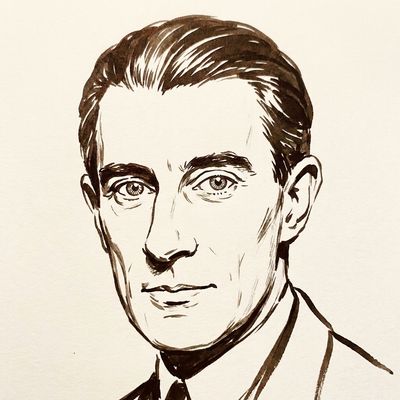
A French composer known for his orchestral colour and meticulously crafted piano writing.
Maurice Ravel was a supreme craftsman — a composer who polished every bar until it gleamed, and who is often paired with Debussy under the Impressionist banner though the two were quite different artists. Born in the Basque country of south-western France and trained at the Paris Conservatoire, he wrote comparatively little, yet almost everything he finished has entered the repertoire.
Ravel’s piano music is some of the most exquisitely made in the whole literature. Works such as Jeux d’eau, Miroirs and Gaspard de la nuit combine dazzling technical demands with precise, jewelled sound, while Le Tombeau de Couperin looks back to older French keyboard style. His writing prizes clarity and control — every note is placed exactly, and none is wasted.
Because so much of his solo music is fiendishly hard, a learner usually begins with the gentler Ravel. The Pavane pour une infante défunte — a slow, tender processional — is his most approachable piece and a beautiful study in evenness and restraint. Ravel teaches a player to value precision as a kind of expression.